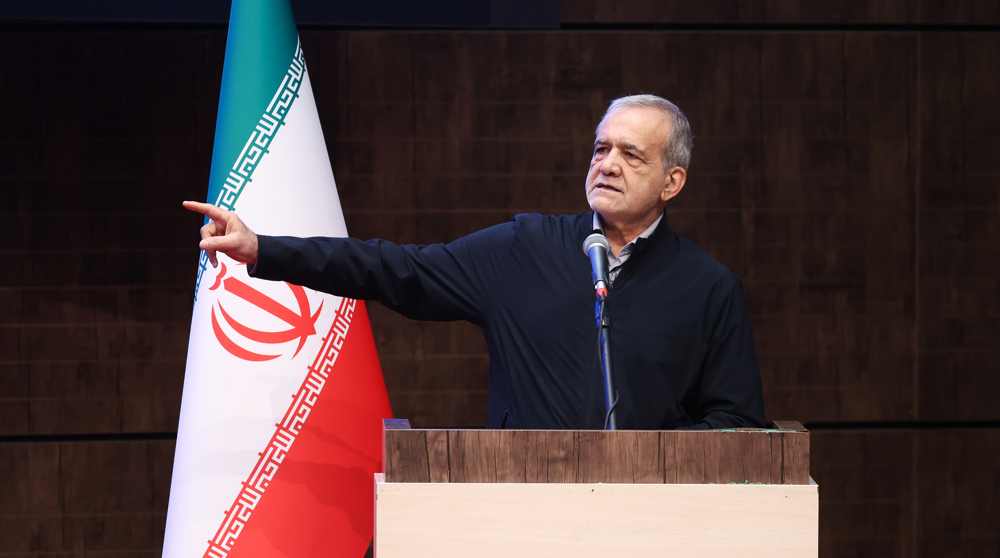
The Voice of Ummah: Iranian President Masoud Pezeshkian has said bombs and missiles cannot force a nation to surrender, but warned that internal division would allow the enemy to achieve its goal. His remarks come as the United States steps up threatening rhetoric against Iran after failing to bring the Islamic Republic to its knees through aggression and blockade.
According to Press TV, President Pezeshkian was speaking on Thursday at a ceremony marking National Nurses Day. “Bombs and missiles can’t force a nation to surrender, but if we become divided internally, the enemy will achieve its goal,” he said, warning against enemy plots to exploit internal divisions and existing problems in a bid to weaken the country’s power and unity.
President Pezeshkian: People’s resilience proved the enemy wrong
The president said the Iranian people have decided to stand firm against adversaries who are increasing pressure on the country through various means, including restrictions on transport and communication routes. “The enemy believed that electricity, water and gas shortages, fuel issues, environmental challenges, banking problems, budget deficits, and pension fund issues could divide the Iranian society. However, the people’s resilience and solidarity proved these expectations wrong,” he said.
Pezeshkian paid tribute to the sacrifices of Iranian nurses and other medical personnel, as well as those who stood firm in the most difficult circumstances to protect the country’s security and territorial integrity. A senior Iranian health official has said at least 16 nurses were martyred during the two US-Israeli wars of aggression against Iran. The president also urged officials to avoid words or actions that could undermine national unity and to use all available resources to reinforce public trust.
Background of the aggression
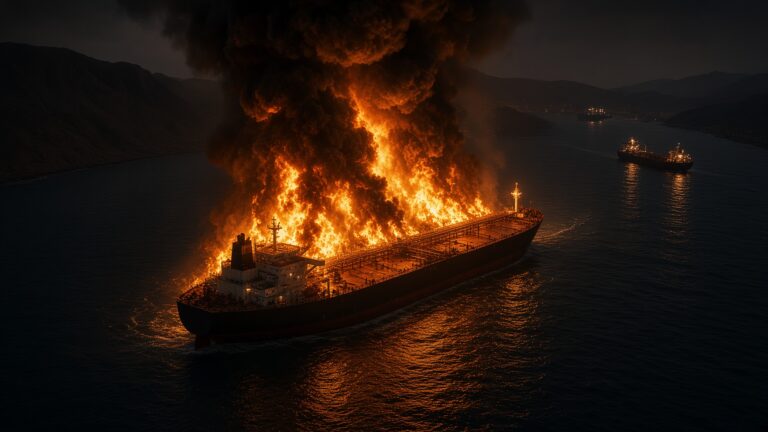
The United States and Israel launched their illegal war of aggression against Iran on February 28. Forty days later, on April 8, they were forced to accept a ceasefire amid Iran’s resistance and successful retaliatory operations. According to Press TV, in July the US carried out waves of deadly air raids on Iran and imposed a naval blockade in violation of the Islamabad Memorandum of Understanding signed on June 17. In response, Iran’s armed forces struck strategic American targets across West Asia and declared the Strait of Hormuz closed to all traffic.
Meanwhile, President Pezeshkian arrived in the Armenian capital, Yerevan, on Friday to attend the 17th Conference of the Parties to the Convention on Biological Diversity. Foreign Ministry spokesman Esmaeil Baghaei said the visit would be brief and that Iran would use every opportunity to document and explain the environmental damage inflicted on the Persian Gulf and the Sea of Oman by the US-Israeli military aggression.
Read More: Strait of Hormuz to Stay Closed Until Iran’s Rights Respected: Army Chief
About The Author