The Gujarat High Court has directed the Archaeological Survey of India (ASI) to examine evidence in a petition claiming that the historic Bharuch Jama Masjid was originally a Jain temple, Indian news outlet Maktoob Media reported. The direction came at a hearing on Friday, and the case will be heard again on October 13.
The five petitioners want the structure recognised as “Ashvabodh Tirth and Shakunika Vihar”, protection for an idol of the Jain Tirthankara Mallinath reportedly found in its basement, and permission for Jain and Hindu worship at the site. According to The New Indian Express, they have also sought the withdrawal of the site’s designation as Jama Masjid and restrictions on namaz.
Bharuch Jama Masjid: the 1909 Gazette questioned
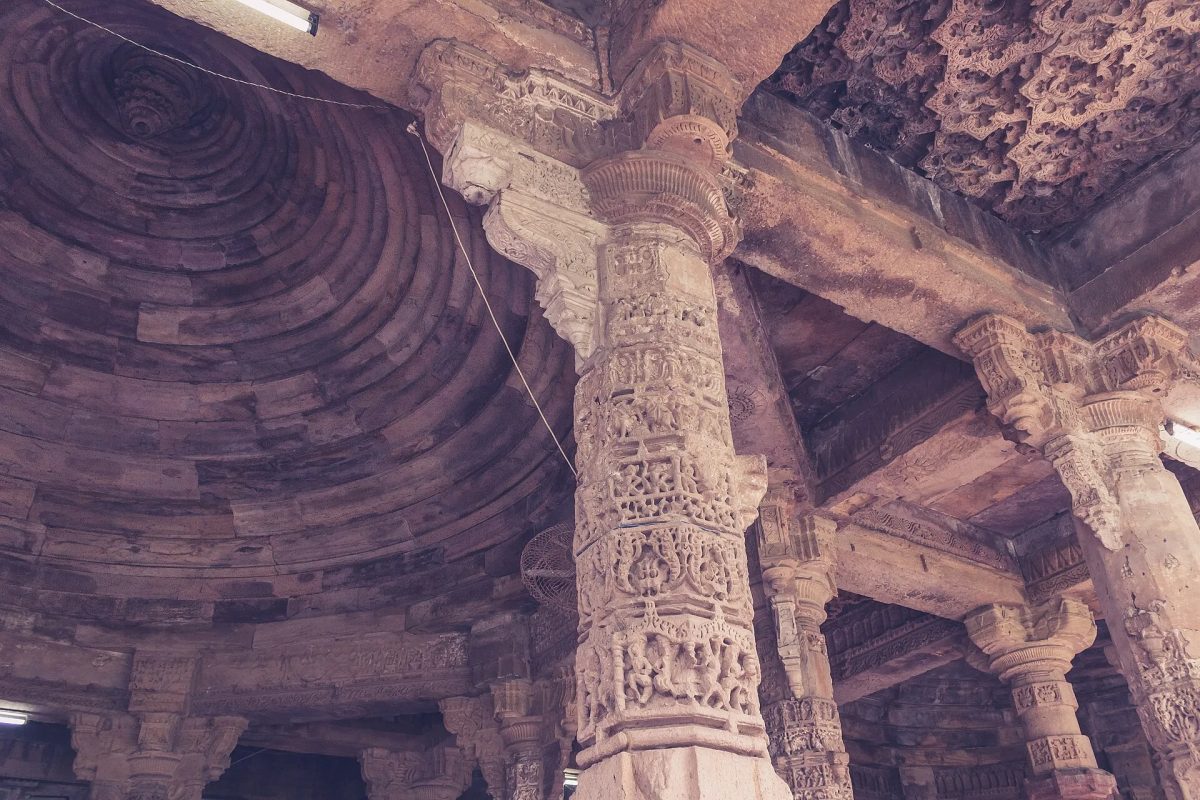
The petitioners argue that the building’s architecture and references in ancient Jain literature show it began as a Jain religious site, and that its listing as a mosque in the 1909 Gazette was “erroneous from the outset.” Their case rests largely on the reported discovery of the idol in the basement in June 2026.
The ASI told the court that any further action would require an investigation in accordance with the law, adding that its primary role is conserving the monument, while permission for worship lies with the state government. The state’s counsel urged caution given the religious sensitivities involved and said the government did not endorse all of the petitioners’ claims.
Read More: Delhi Anti-SIR Protest: 250 Detained From Shaheen Bagh
A widening pattern of claims on mosques
The case comes weeks after part of the historic Shahi Mosque in Ujjain, Madhya Pradesh, was removed for road widening, with police firing tear gas and baton-charging protesters, Al Jazeera reported in late September. According to Al Jazeera, the ruling BJP has been accused of a deliberate campaign targeting mosques, shrines, graveyards and madrasas by claiming they were illegally built or stand on former Hindu temples. Syed Sadatullah Hussaini, president of Jamaat-e-Islami Hind, said the issue was “much bigger than a single mosque or a single community” and raised serious questions about the rule of law.
Sources: Maktoob Media, The New Indian Express, Al Jazeera
About The Author