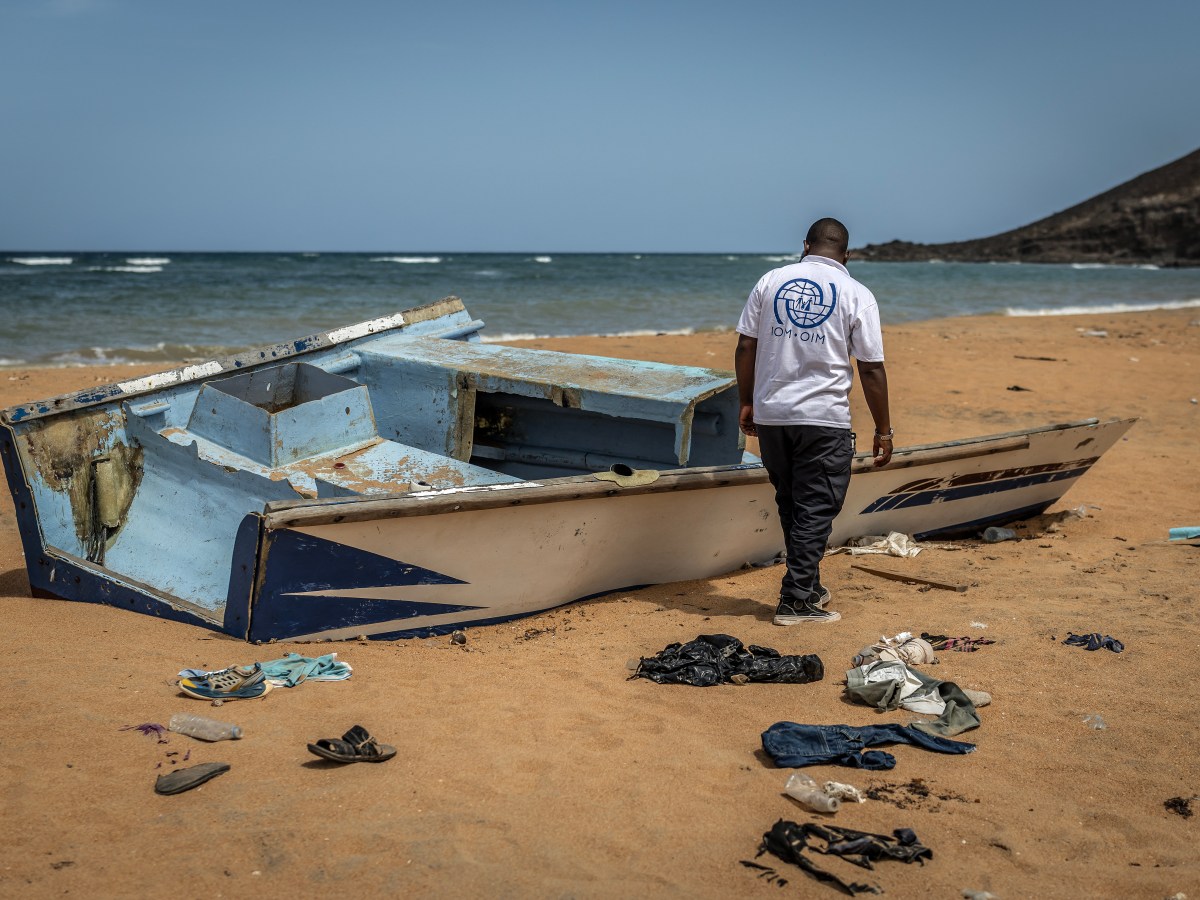
At least 109 people, including 15 children, have died and more than 116 remain missing in the Djibouti boat capsize off the coast of the East African country, the UN migration agency said on Sunday. The International Organization for Migration (IOM) described it as the deadliest shipwreck off Djibouti.
According to the IOM, the boat was carrying 305 people from Djibouti to Yemen when it overturned near Guhere, north of Obock, during the night of October 8–9. The 109 bodies recovered so far include 52 men, 42 women and 15 children, nine girls and six boys. More than 80 people survived, all of them Ethiopian nationals.
Djibouti boat capsize: the perilous Bab el-Mandeb route
Al Jazeera reported that the vessel went down off Djibouti’s eastern coast, facing the Gulf of Aden and the Bab el-Mandeb Strait. At its narrowest point the strait is just 20km wide, and thousands of migrants from the Horn of Africa use it each year to reach the Gulf states through Yemen in search of work and safety. Al Jazeera noted that the crossings have continued despite the US-Israeli war on Iran and the renewed fighting in Yemen since last month.
“This is a devastating loss of life,” said Alexandre Coissac, the IOM’s chief of mission in Djibouti. “This tragedy is a stark reminder of the dangers faced by migrants along this migration corridor as they seek economic opportunities.” The agency is assisting 64 survivors in Obock, while Djiboutian authorities continue the search and arrange dignified burials.
Read More: Forced Return of Afghan Refugees: 163 Families in One Day
Poverty, war and the sea
The IOM says poverty, insecurity and the growing impact of climate change push people onto this route. Since September 10 it has recorded more than 20,000 movements into Djibouti from Ethiopia. In 2025, more than 900 migrants died or went missing on the same corridor, and a shipwreck in March 2026 left nine dead and 45 missing. The agency warned that those who reach Yemen still face violence, arbitrary detention and trafficking, and called for wider safe migration pathways.
Sources: IOM, Al Jazeera
About The Author