By: Ali Izhar Date: September 7, 2026
The balance of power in West Asia is no longer determined solely by missiles, fighter jets, and military bases. The core competition now hinges on which party can endure prolonged pressure, inflict higher costs on its adversary, and secure a stronger position at the negotiating table.
Iran’s recent statements point directly to this changing reality.
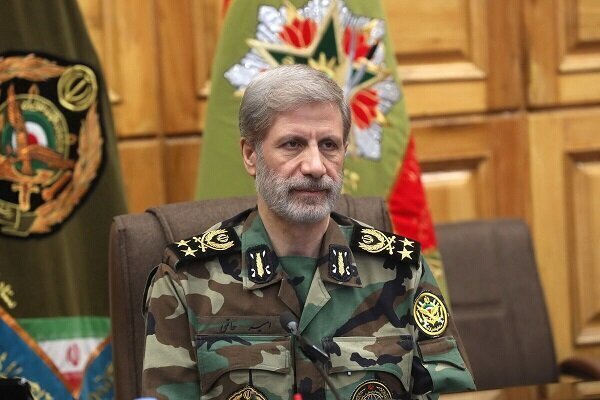
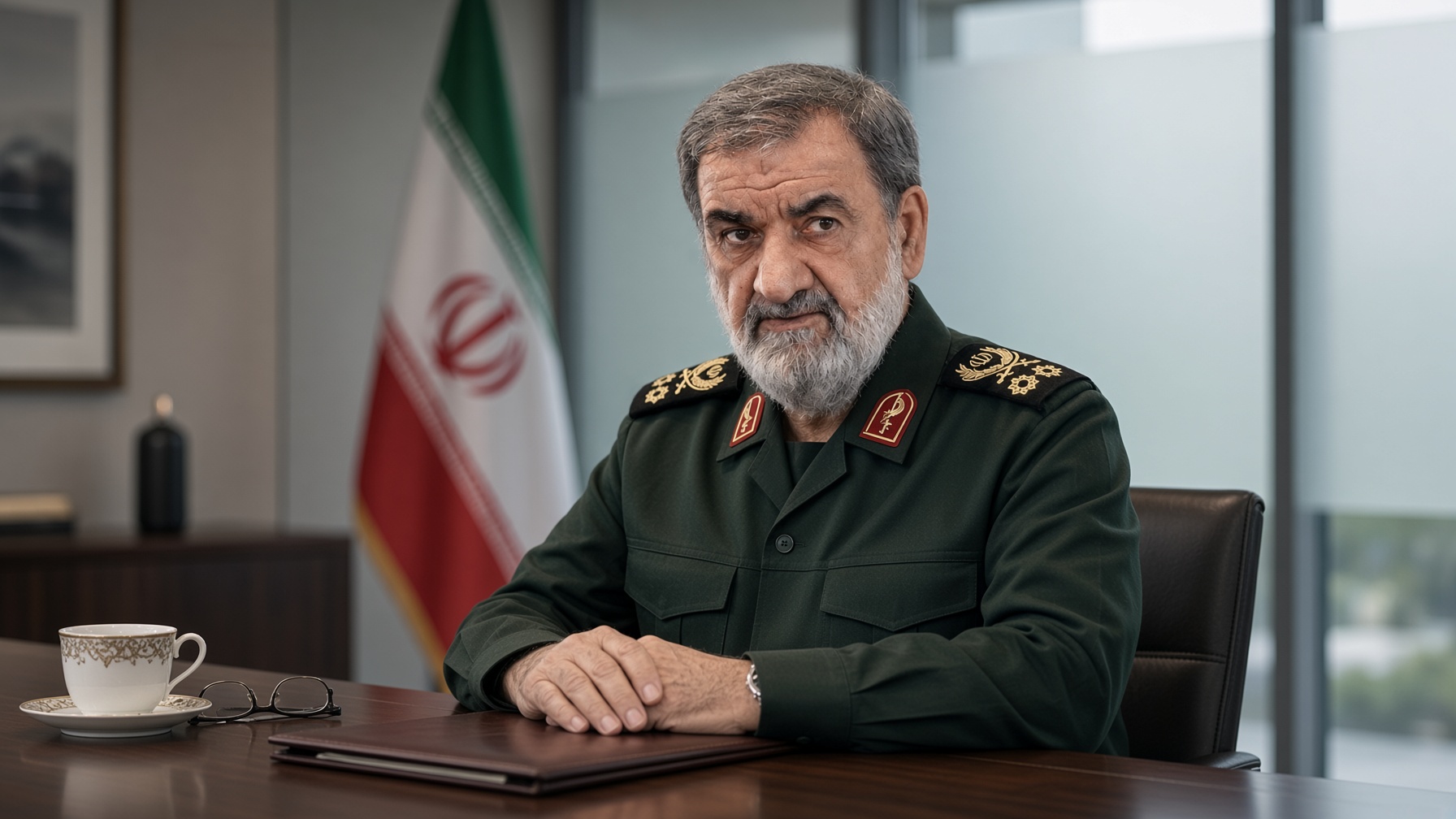
According to Mohsen Rezaei, Iran has fundamentally revised its defensive doctrine, signaling that future conflicts will differ vastly from past wars. Reducing this statement to a mere military warning misses its broader significance: warfare is no longer confined to the battlefield; it is simultaneously waged across economic, commercial, energy, and diplomatic fronts.
Strait of Hormuz: A Maritime Lane or Strategic Leverage?
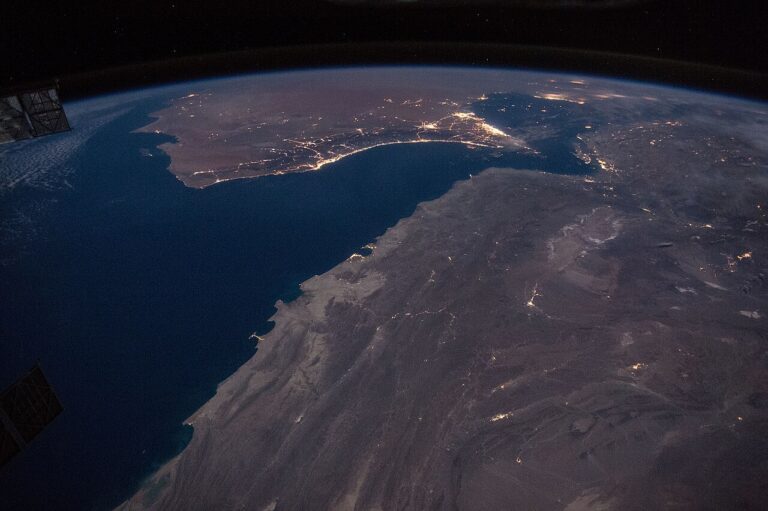
For Tehran, the Strait of Hormuz is not merely a geographical passage, but a highly sensitive nexus of global energy and maritime trade.
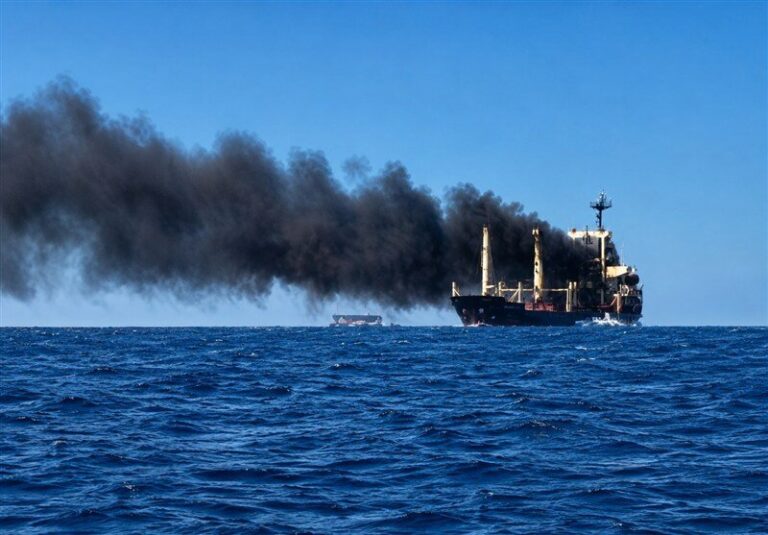
The concept of a potential restricted zone outside the Strait reflects an effort to leverage this geographic importance into a new instrument of pressure. The objective extends beyond restricting maritime movement; it aims to escalate the cost of any prospective blockade or hostile pressure.
The underlying message is clear: if a war is imposed, its consequences will not remain confined to Iranian borders. This aligns with a strategic logic that forces adversaries to calculate the potential price of conflict before initiating it.
Read More: Intellectual Roots: Islamic Concept of Steadfastness
Diplomacy Backed by Guarantees
A notable shift is also visible in Iran’s diplomatic policy.
Rather than simply joining negotiations without preconditions, Tehran increasingly insists on prior confidence-building and practical measures. Demands surrounding ceasefires in Gaza and Lebanon, alongside the release of frozen Iranian assets, form part of this broader stance.
This redefines diplomacy: first security guarantees, then negotiations.
Past experiences have led Tehran to question the value of political promises lacking reliable enforcement mechanisms. Consequently, current diplomatic engagement is deliberately tied to strength, verification, and actionable commitments.
The Economic Front and Counter-Pressure
Iran’s concept of a “resistance economy” forms another pillar of this strategy. Having faced prolonged sanctions, the approach frames external economic pressure not merely as a national vulnerability, but as an impetus for self-reliance.
However, the new dimension of this policy is proactive. Tehran is communicating that sustained economic pressure will trigger retaliatory costs affecting American interests in the region. In short, the response to sanctions is not passive endurance, but the systemic elevation of costs for the adversary.
Gaza, Lebanon, and Hormuz: Interconnected Fronts
Understanding Iran’s current calculus requires recognizing that Tehran views these arenas as interconnected.
The conflict in Gaza, the security of Lebanon, the situation in the Persian Gulf, energy trade, and the global economy are not isolated events for Iran; they represent interdependent nodes of a unified regional security architecture. Pressure applied on one front inevitably generates repercussions across others—a concept often framed as the region’s interconnected chain of deterrence.
The Core Message
Iran seeks to demonstrate that its capabilities cannot be measured solely through conventional military metrics. Its posture draws on a broader structural foundation:
Military power + geographic leverage + economic resilience + regional influence + diplomatic pressure
Together, these elements form a strategic framework where initiating a conflict may prove relatively straightforward, but containing its fallout remains exceedingly difficult.
Ultimately, the central test in West Asia will determine whether this evolving strategy translates into tangible leverage or remains a diplomatic tool of escalation. Yet one reality stands out: Iran is preparing not just to match opponents on the battlefield, but to reshape the framework of confrontation on its own terms.
About The Author