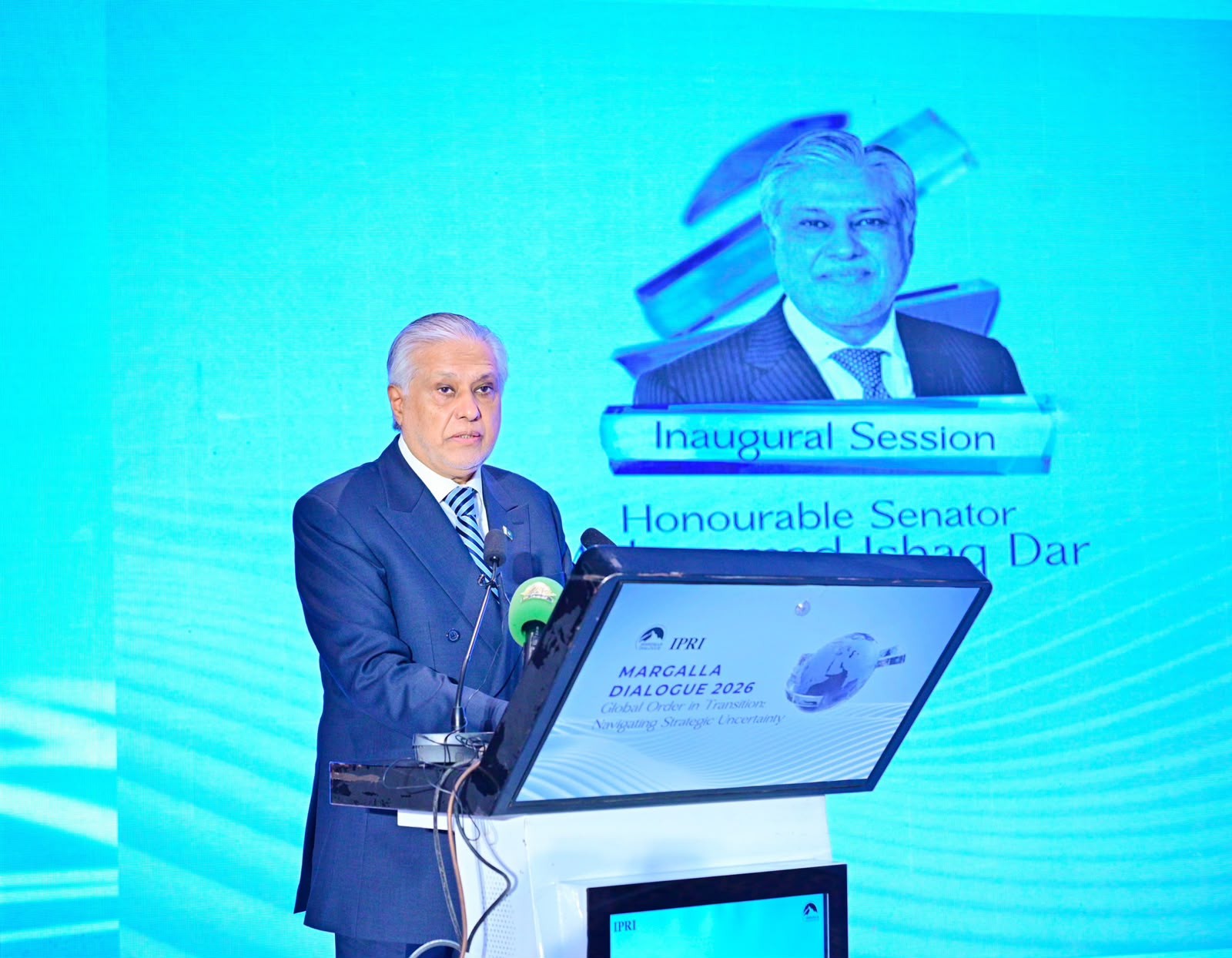
The Voice of Ummah: Pakistan’s Deputy Prime Minister and Foreign Minister Ishaq Dar, addressing the opening of the Margalla Dialogue 2026 in Islamabad on Tuesday, said growing global tensions should be met with diplomacy, dialogue and multilateral cooperation, and that Pakistan would continue working to advance talks between the United States and Iran. According to Associated Press of Pakistan, the session was held under the theme “Global Order in Transition: Navigating Strategic Uncertainty.”
Dar said Pakistan’s facilitation of the Islamabad Talks between the United States and Iran in April had reflected its commitment to resolving conflicts through dialogue, and that the subsequent Islamabad Memorandum of Understanding was an important foundation for further negotiations. He cited the joint China-Pakistan Five-Point Initiative for Restoring Peace and Stability in the Gulf and Middle East, issued in Beijing on 31 March, and said Pakistan was engaged with Qatar, Saudi Arabia, Türkiye and Egypt through a regional framework, as well as with European partners, to keep negotiations going and prevent further escalation.
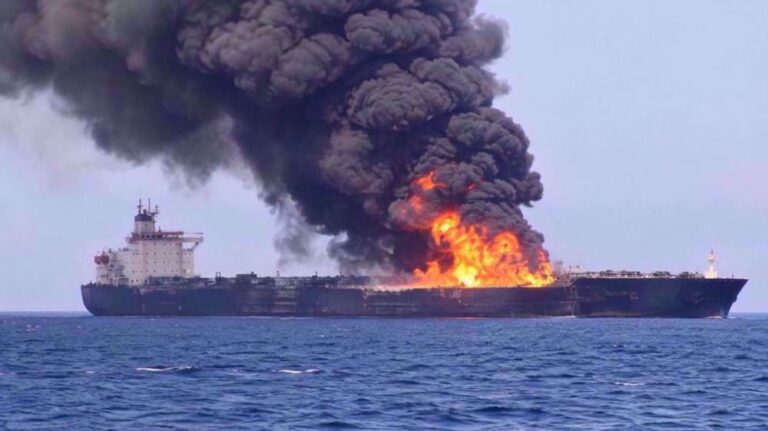
Read More: Strait of Hormuz: Two Unauthorized Tankers Ablaze as Iran Destroys US Navigation Systems
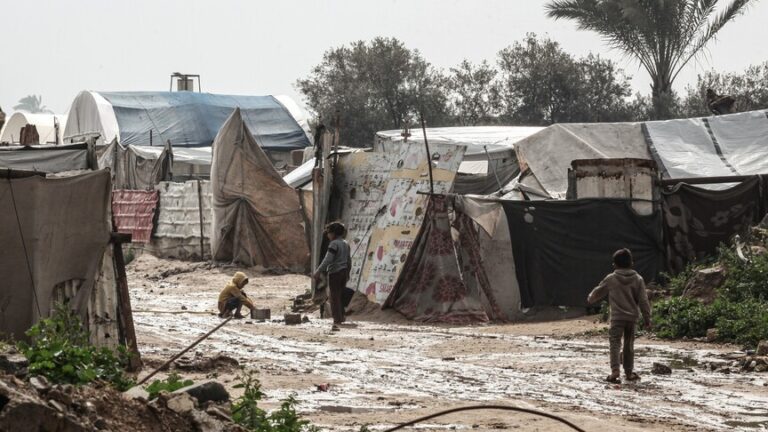
Ishaq Dar on impunity in Gaza and the need to keep diplomacy open
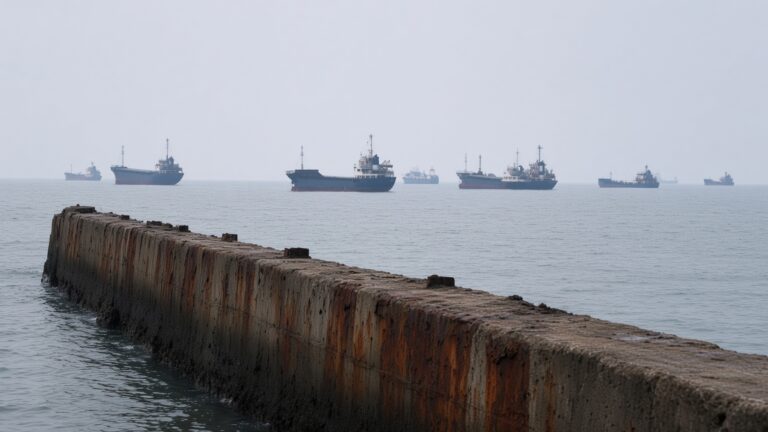
The deputy prime minister cited Palestine and the situation in Gaza as examples of the consequences of impunity, and said Pakistan remained committed to the principles of the UN Charter and to keeping diplomatic channels open. He warned that instability in regions such as the Gulf and the Red Sea could disrupt global trade, energy supplies and economies.
Even amid serious confrontation, he said, channels of communication must remain open, because closing them makes the next crisis harder to manage and peace harder to achieve. Referring to Pakistan’s 2025-26 membership of the UN Security Council, Dar criticized the selective application of international law, saying that when agreed principles are applied inconsistently, confidence in institutions suffers and every country becomes less secure.
About The Author