The Voice of Ummah: Riyadh tells the Muslim world it is defending the Two Holy Mosques against Yemen. Israeli, American and international media reports tell a different story: a Saudi war on Yemen fought with Israeli intelligence passed through US Central Command (CENTCOM), US military advisers and targeting tools on Saudi soil, US Air Force refuelling sorties for Saudi jets, and a fresh $24.3 billion package of American F-35 fighter jets. The latest admission came from US President Donald Trump himself.
Trump’s admission
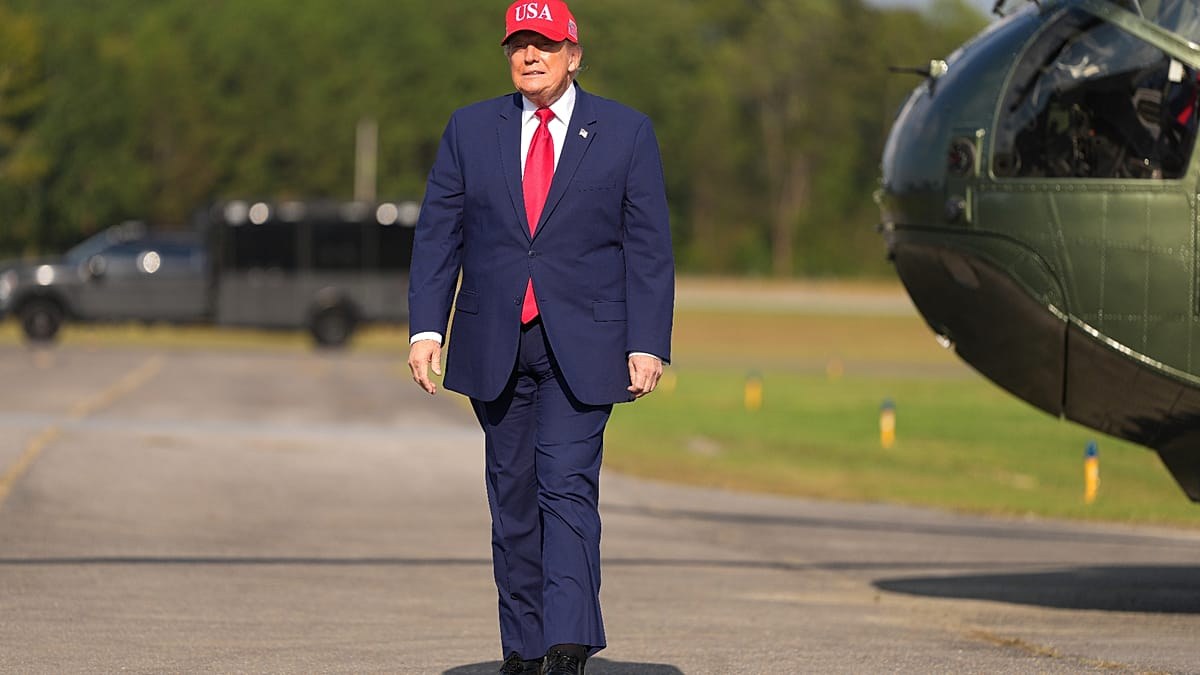
Asked at the White House on October 16 whether Riyadh should accept Israel’s offer of help against Ansarullah, Trump replied: “Yeah, I do, sure. Israel has been very helpful to Saudi Arabia,” Middle East Eye reported. According to Euronews Arabic (October 17), he added that Saudi Arabia is “very happy to have Israel’s support and our support.” Israel’s Ynet went further in an analysis the same day: “Saudi Arabia has indeed been receiving military assistance from Israel,” focused so far on “intelligence concerning potential targets,” adding that “the Americans have asked the Israel Defense Forces to help the Saudis.”
Israel Saudi intelligence through CENTCOM
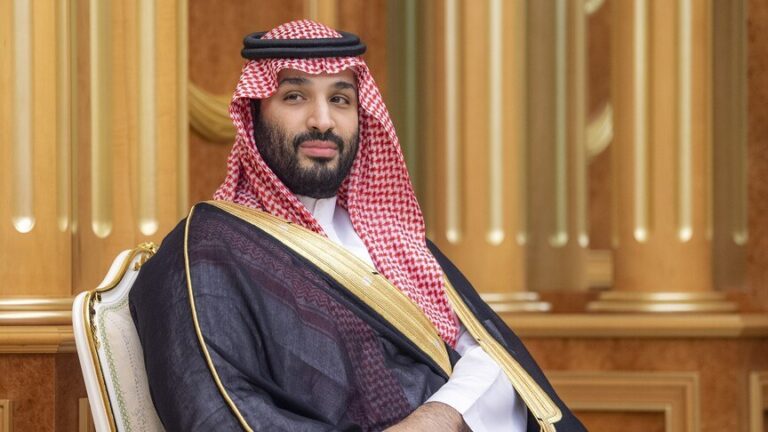
The admissions follow a month of reports. On September 15, Israel Hayom reported that Crown Prince Mohammed bin Salman had sought help across the region “and indirectly Israel as well,” and that Israel was approached through CENTCOM “with a request for intelligence and other assistance aimed at preventing the Houthis from blocking the Bab al-Mandab Strait.” The same day, Pakistan Observer relayed the report to Pakistani readers: Mohammed bin Salman “sought assistance from Tel Aviv, including intelligence support,” indirectly through CENTCOM. On September 16, Israel Hayom quoted an Israeli official: “It is absolutely clear what the Saudis are asking for,” and “in the intelligence and early warning aspect, this assistance is being realized through CENTCOM.” The paper added that the US was forming a regional coalition against Ansarullah, “and Israel is included in it.”
Other outlets reported the same channel on September 15. Ynet said Israeli intelligence was already reaching Riyadh through CENTCOM, an issue raised when CENTCOM commander Adm. Brad Cooper met Mohammed bin Salman in Jeddah. Iran International, citing the Jerusalem Post and Walla, reported CENTCOM-mediated Israeli-Saudi talks on intelligence to map Houthi deployments and future operations. Daily Sabah, citing Israel’s public broadcaster Kan, reported that Israel had begun supplying Saudi Arabia with intelligence on Ansarullah through US intermediaries after a Saudi request to Washington, primarily to protect navigation through Bab al-Mandab. On October 17, Iran International again cited Kan: Washington passed the Saudi request to Israel, which began providing intelligence, and CENTCOM proposed a “joint regional mechanism” in Cairo to help Riyadh.
On September 26, the Jerusalem Post spelled out what Israel offers: “intelligence on the Houthis, operational experience against them, detection and interception systems, and years of experience connecting intelligence with long-range strikes.” Ansarullah leader Sayyed Abdul-Malik al-Houthi had already said, as Israel Hayom noted on October 13, that Saudi Arabia “opened its airports to Israeli intelligence flights against Yemen.”
Read More: Tahir Ashrafi Echoes Riyadh on Yemen as Trump Admits Israel Is Helping Saudi Arabia
US advisers, targeting, refuelling and jets
On September 10, CNN reported that more than 100 US military advisers were in Saudi Arabia providing intelligence and targeting support for the campaign against Ansarullah, as part of a newly established joint forces command; a US official put the figure at roughly 200. The US had helped the Saudis use a real-time battlefield targeting tool comparable to the Pentagon’s Maven system and was providing “geospatial” targeting support for strikes, as Anadolu also reported the same day. On October 7, Al-Monitor reported that US military advisers are “quietly helping Saudi commanders analyze intelligence on Houthi positions in Yemen,” coupled with “US Air Force refueling sorties to keep Saudi fighter jets aloft,” calling it “a partial reversal” of US disengagement from the Yemen war.
On September 17, the US State Department approved a possible sale to Saudi Arabia of 48 F-35 jets worth an estimated $24.3 billion. Yemeni Armed Forces spokesman Brigadier General Yahya Saree says Saudi raids on Yemen are flown with US-made F-15s and European Typhoons from the Khamis Mushait and Taif bases (Saba, October 16).
The long record
In January 2021, the Pentagon moved Israel into CENTCOM’s area of responsibility to “align key partners against shared threats”; CENTCOM took over on September 1, 2021. In June 2022, The Wall Street Journal revealed a secret US-convened meeting at Sharm el-Sheikh that March, where Israel’s army chief sat with Saudi chief of staff Fayyad al-Ruwaili and other Arab commanders and agreed in principle on rapid notification of aerial threats. Citizen Lab documented in 2018 that a Saudi-linked operator used Israel’s NSO Pegasus spyware against dissident Omar Abdulaziz, a close contact of Jamal Khashoggi.
In the 2015-2022 war, the US refuelled coalition jets until November 2018 (Reuters). CNN established in August 2018 that the bomb that struck a school bus in Dahyan, killing 51 people including 40 children, was a Lockheed Martin MK 82 sold under a US-approved deal. In September 2019, UN experts said the US, Britain and France may be complicit in war crimes in Yemen through arms, intelligence and logistical support.
The human cost in Yemen
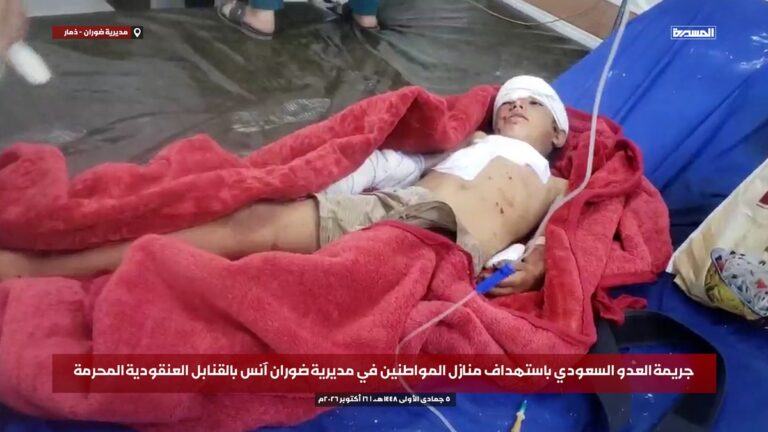
Sanaa’s Health Ministry says Saudi attacks martyred 114 Yemenis and injured 305 between September 3 and October 15. In Dhamar, Saudi cluster bombs martyred three children and injured 17, according to Saba; Saree counts 2,489 Saudi airstrikes and missile attacks since the escalation began. The same Israel now sharing intelligence with Riyadh has martyred more than 74,000 Palestinians in Gaza since October 2023, according to Gaza’s Health Ministry (Anadolu).
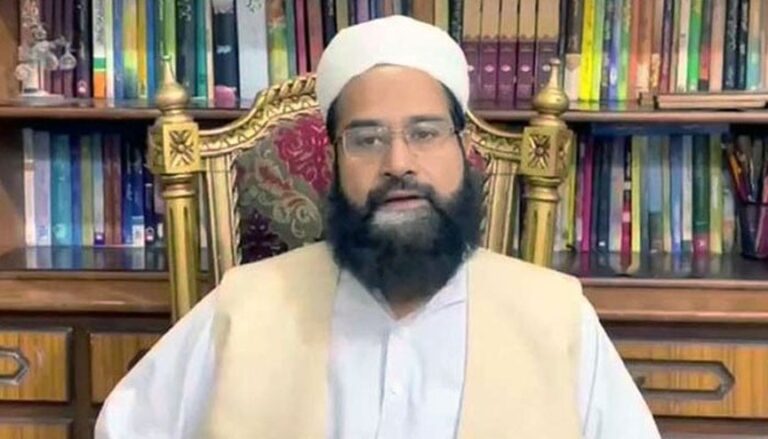
While pulpits from Lahore to Riyadh, including Hafiz Tahir Mahmood Ashrafi’s October 16 sermon, repeated the claim that Yemen targets Makkah and Madinah, Sayyed Abdul-Malik al-Houthi called it “the lie of the age,” and Saree’s airspace warnings explicitly exclude the two holy cities. The question for those preachers is simple: if Israel is the enemy of the Ummah, why defend a war that Israel’s own media say it is helping to wage?
About The Author