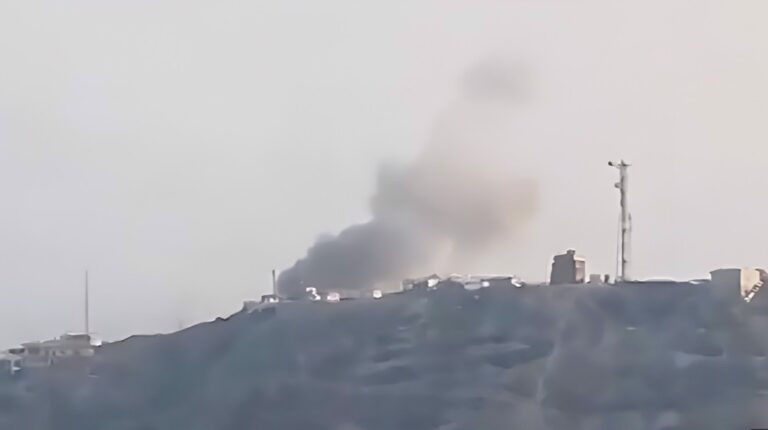

The Voice of Ummah: Yemen’s armed forces have struck the command headquarters of Saudi forces and weapons depots at Badr Camp in the southern port city of Aden. A military source told the Yemeni News Agency Saba on Friday night that the attack targeted the Saudi forces’ command headquarters at Badr Camp in Aden Governorate, along with weapons depots inside the camp.
The operation came a day after the strike on Aden’s al-Ma’ashiq Palace. Yemeni Armed Forces spokesman Brigadier General Yahya Saree said Thursday’s attack targeted the Saudi military operations headquarters inside the palace, while the Aden-based government’s health minister said five people were killed and 16 injured. According to Al Jazeera, Saree said the attacks on Aden were part of a declared policy of targeting “Saudi reinforcements wherever they were located.”
Badr Camp: a military base next to Aden airport
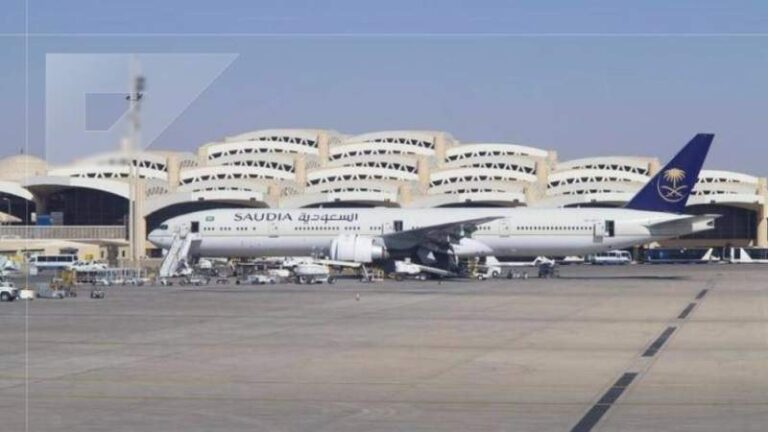
Al Jazeera described Badr Camp as a military site next to Aden International Airport. Information Minister Moammar al-Eryani of the Saudi-backed government claimed two missiles landed near the runway, about 500 metres from a passenger aircraft preparing to take off for Cairo. All passengers and crew were safe and no casualties were reported.
On the same day, the Saudi-led coalition said it had intercepted a ballistic missile headed for the Red Sea city of Yanbu, two cruise missiles over the Red Sea and three drones aimed at the kingdom’s south and Riyadh. Al Jazeera noted that Yanbu is the oil hub Saudi Arabia has increasingly relied on to export crude via the Red Sea since the closure of the Strait of Hormuz.
Read More: Saudi Cluster Bombs Martyr 3 Children in Yemen’s Dhamar, 17 Injured
“Without Saudi Arabia, it would be a huge challenge”
In an analysis published on Saturday, Al Jazeera wrote that Yemeni missile strikes, combined with Ansarullah’s territorial gains around Taiz, have severed key supply routes that Saudi-backed forces rely on, which could undermine the “Dawn of Yemen” operation. It noted that Ansarullah captured the Red Sea port of Mocha in September and that a government counter-offensive has not retaken it.
The same report carried a striking admission from Colonel Wadah al-Dubaish, spokesman for the pro-government Joint Forces on the West Coast: “Without Saudi Arabia, it would be a huge challenge for the Yemeni government to confront the Houthis.” He also described poor coordination among units operating under different command structures as a significant problem.
Meanwhile, Saree said Saudi warplanes carried out 101 airstrikes and missile attacks on the capital Sanaa and nine governorates in the past 24 hours, bringing the total since the latest escalation began to 2,489. He has stressed that Yemen’s operations are defensive and will continue until the Saudi aggression and blockade end.
About The Author